Established for 44 years in the heart of Quebec, the Théâtre de la Dame de Cœur stands as a major center for research, creation, production, dissemination, cultural mediation, and training. Through its hosting facilities and production workshops, it also offers artist residencies to those engaged in innovative practices around puppetry and its related visual arts.
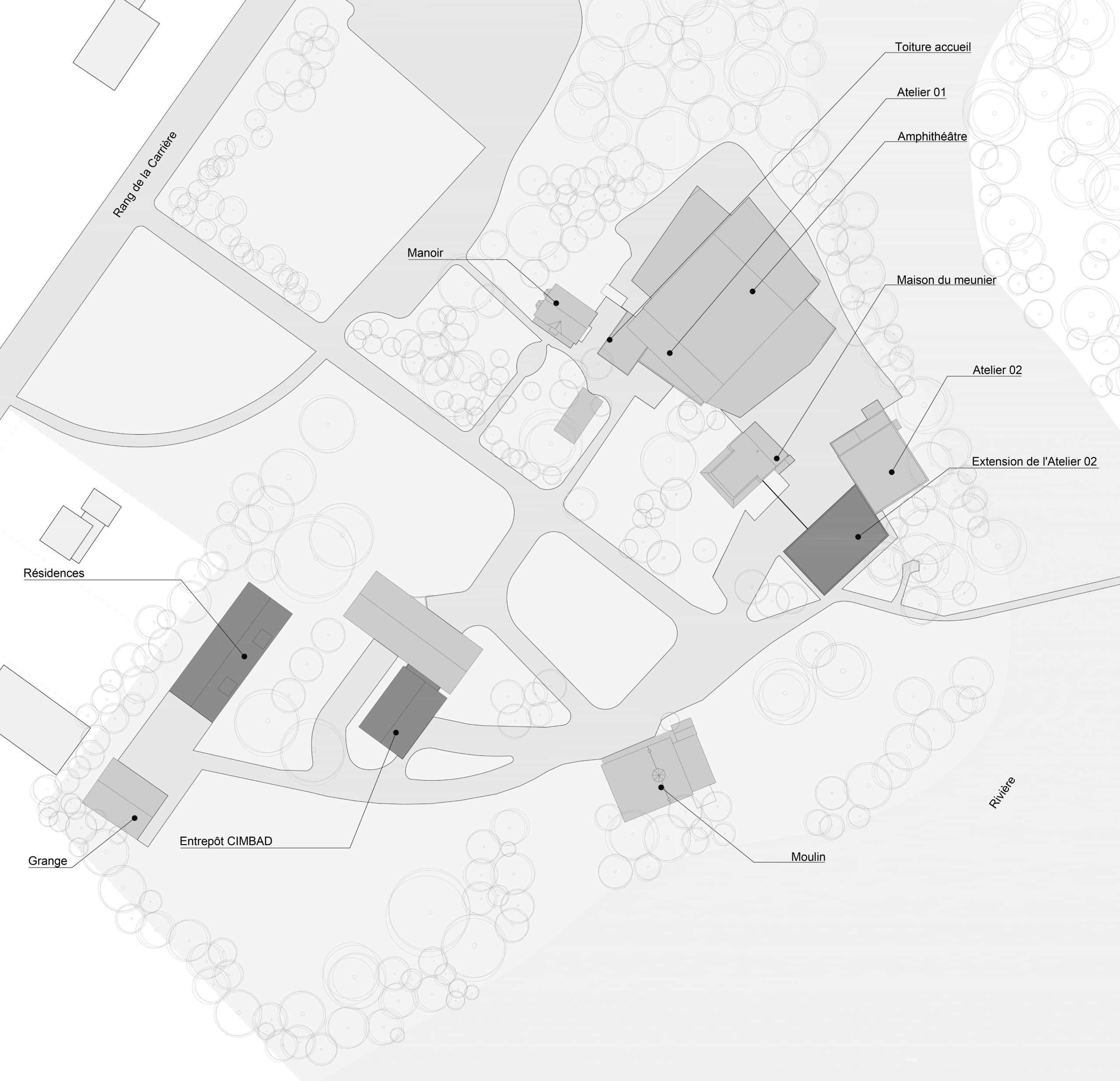
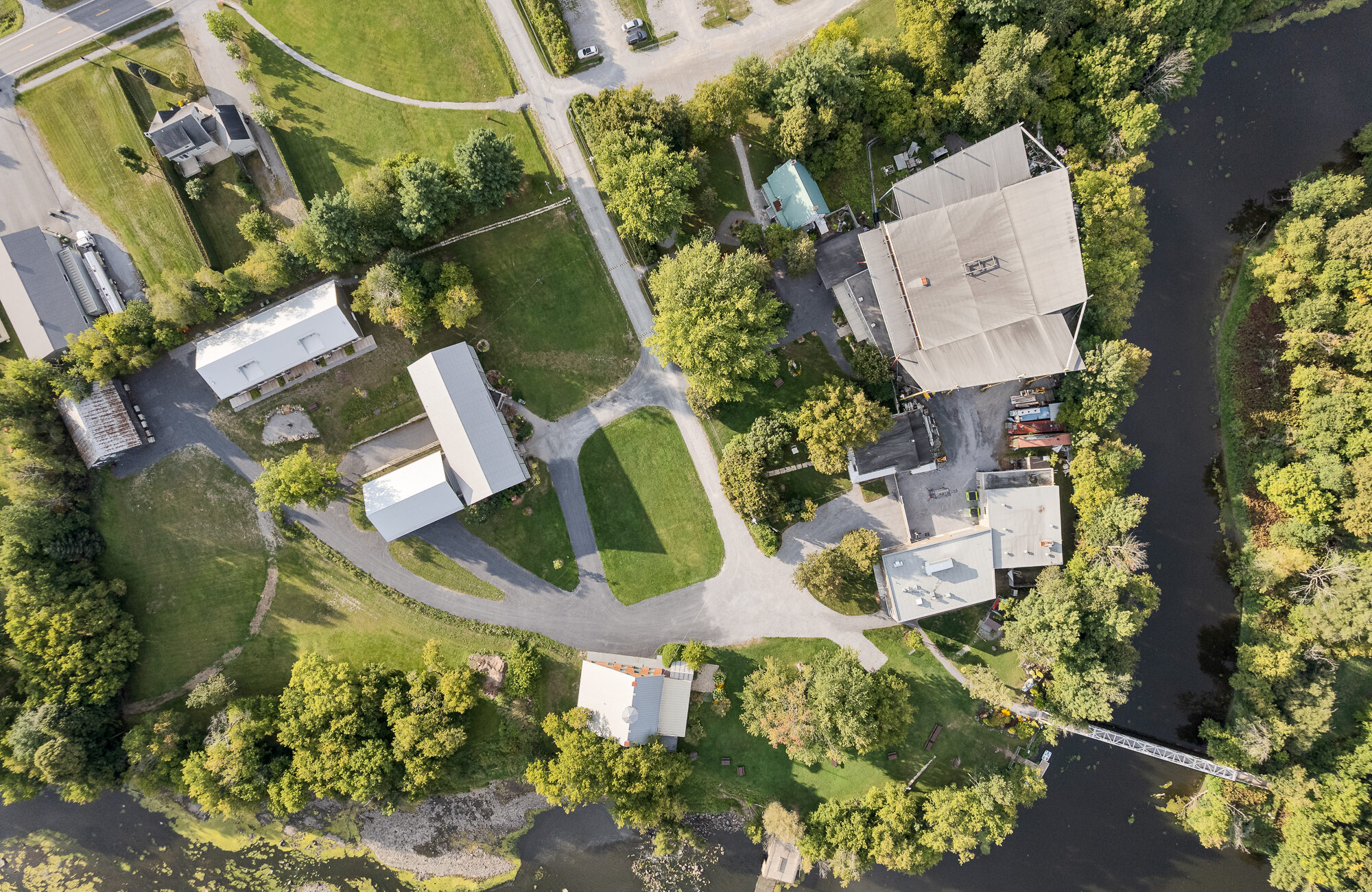
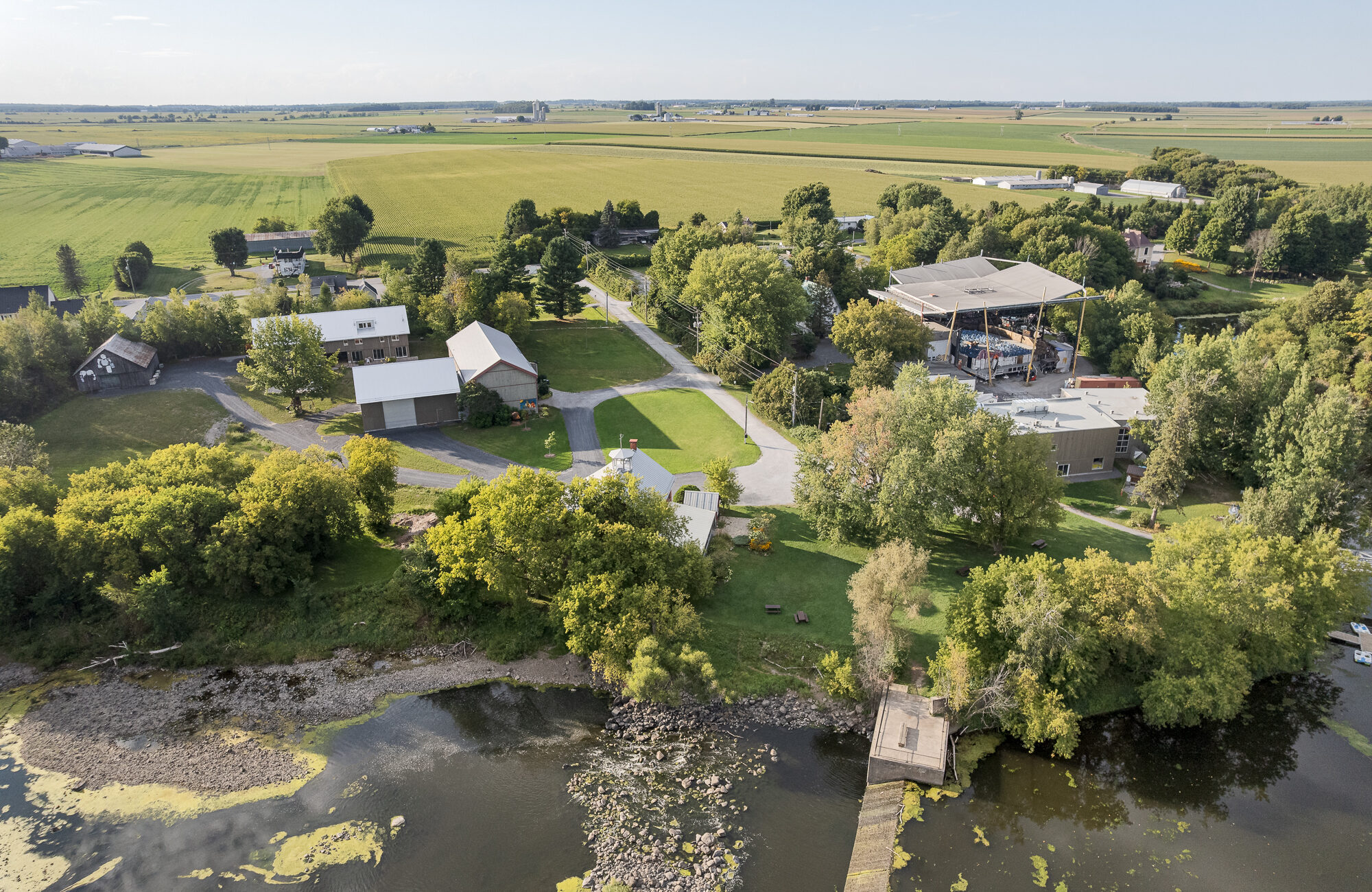
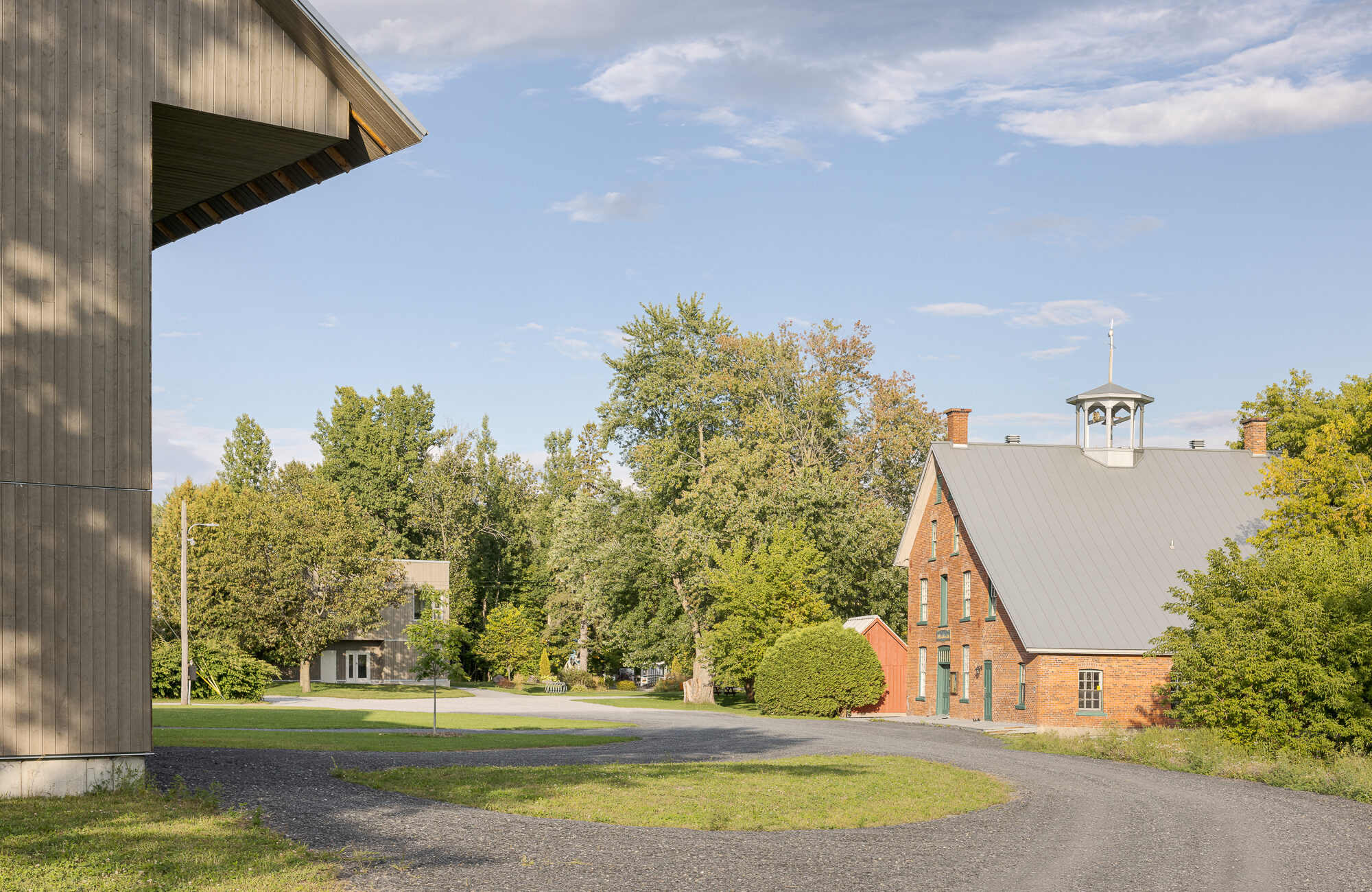
Located on the original site of the village of Saint-Ephrem-d’Upton—occupied between 1850 and 1920 before being relocated with the arrival of the railway—the Théâtre de la Dame de Cœur campus benefits from a remarkable historical character. Nearly fifty years ago, when the estate had been abandoned and was slated for demolition, the Théâtre undertook the bold initiative of reclaiming it to foster a unique cultural environment in a rural setting. To this day, three emblematic buildings bear witness to the site’s rich past: the Manor, the Miller’s House, and the Old Mill.
To revive this heritage site, the domain has undergone five major phases of renovation, the most recent of which was carried out by in situ atelier d’architecture. This latest intervention, significant in scale, reimagined the site as a whole while integrating new functions essential to the growth and continued mission of the Théâtre. Over time, successive renovations across different areas had resulted in a fragmented organization, with buildings arranged in a somewhat arbitrary manner, making the site less functional and less intuitive for users.
It therefore became important to reconsider the positioning of certain functions within the site in order to improve operational efficiency and enhance the user experience. In addition, the development of a strong and coherent architectural language across the domain has clarified the reading of the site, established a distinct identity for the TDC, and made the environment more legible and intuitive for all. This infrastructure upgrade is part of a broader strategy aimed at consolidating and enhancing the heritage value of the Théâtre de la Dame de Cœur site.
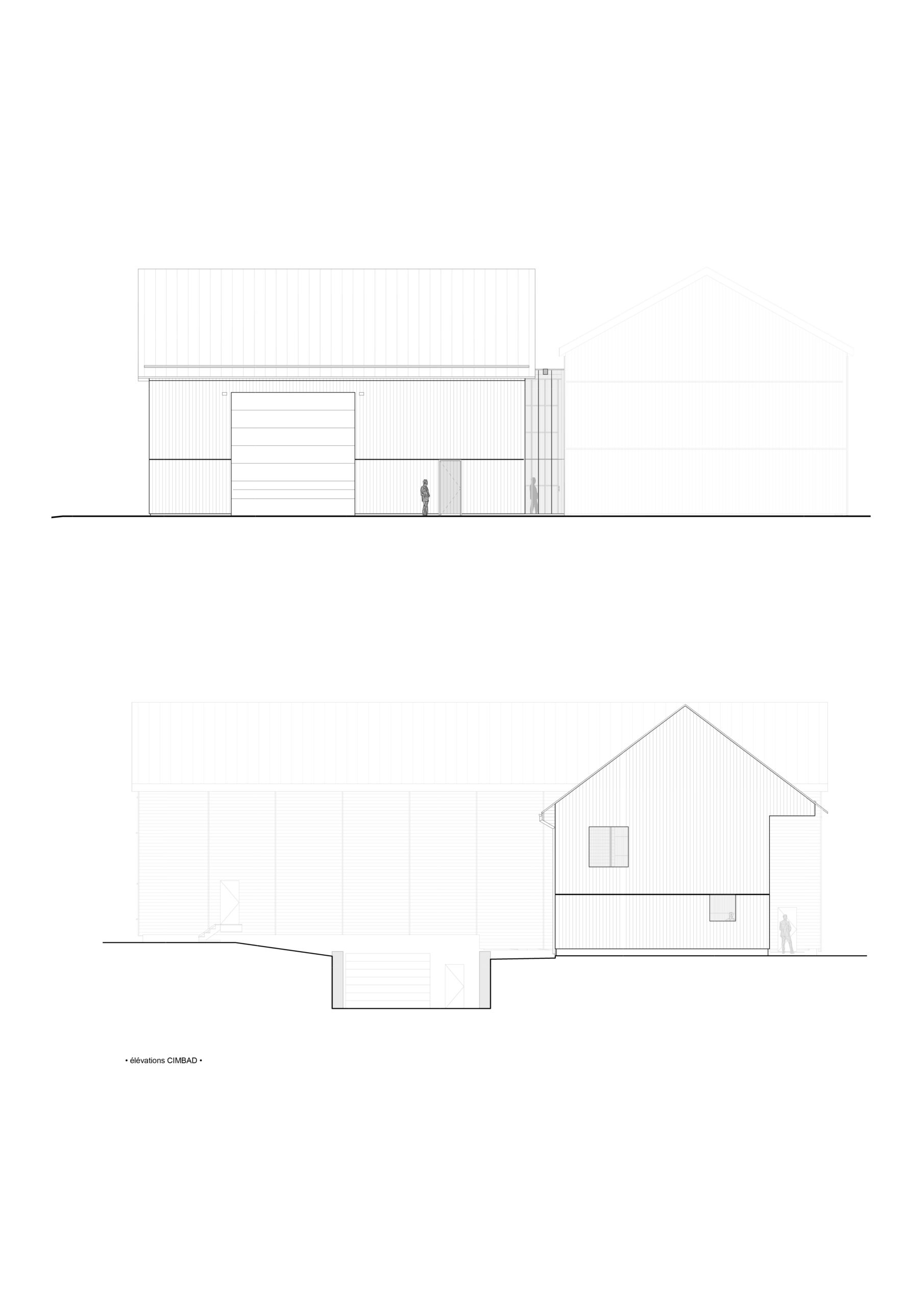
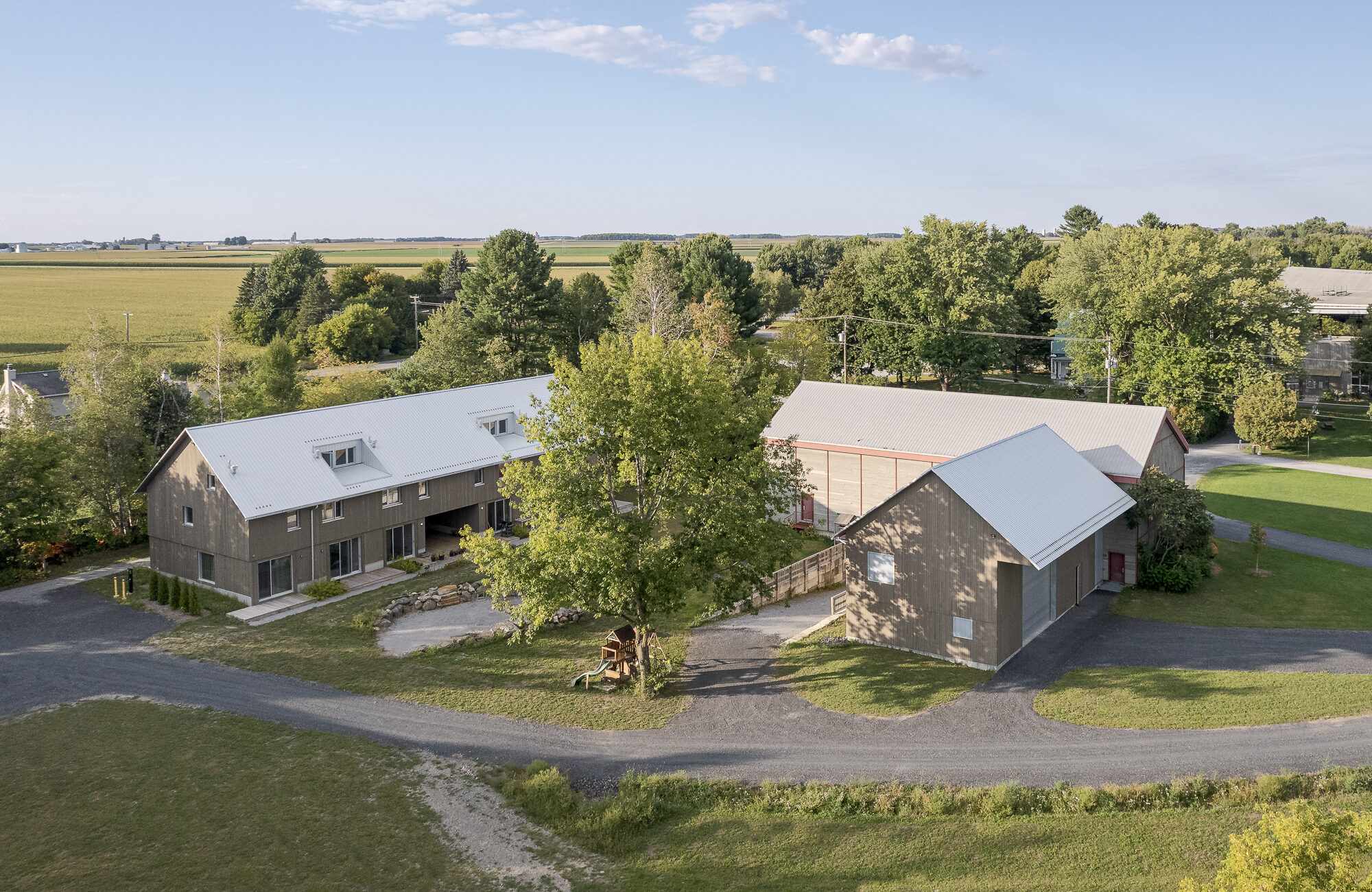
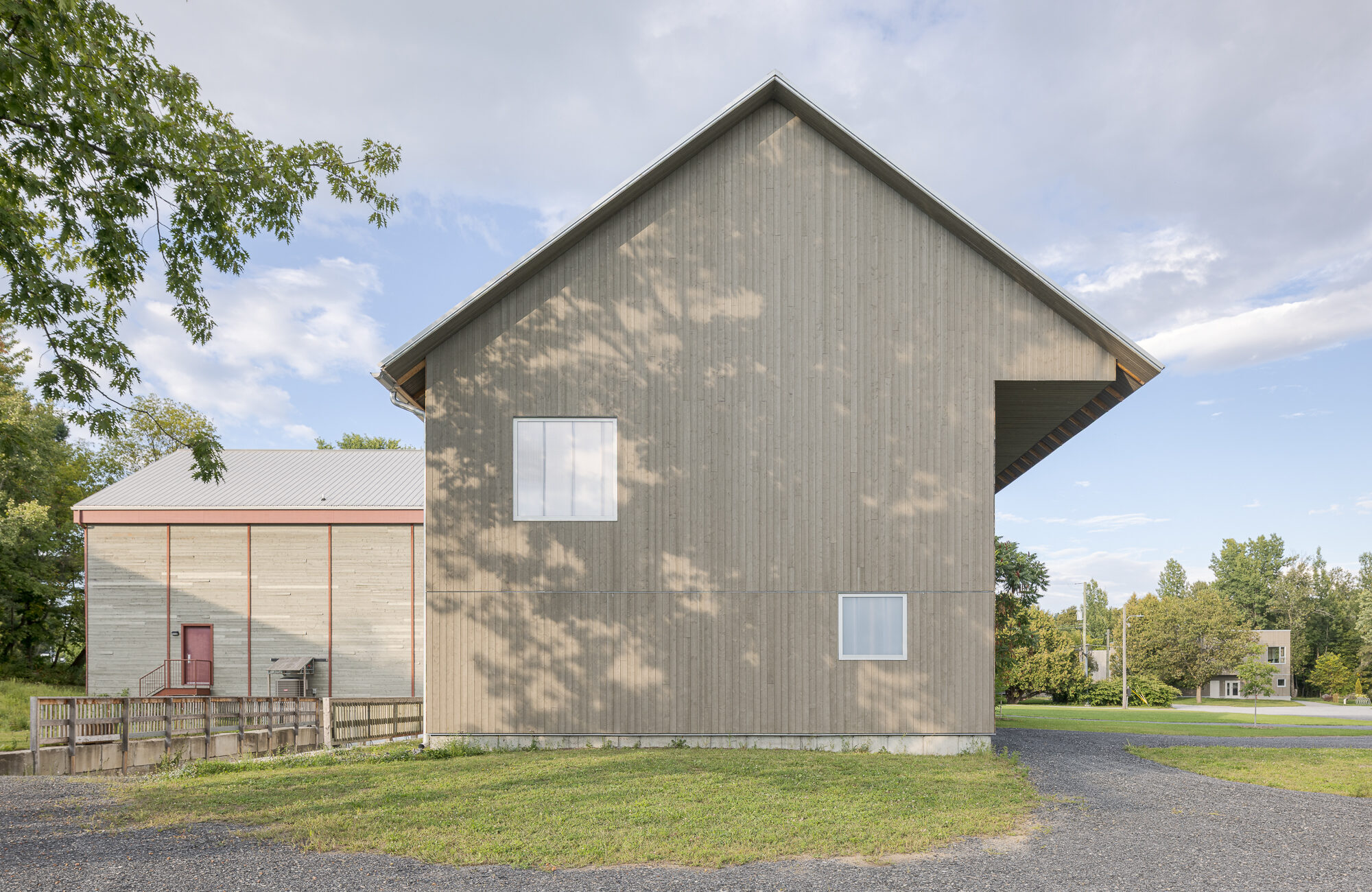
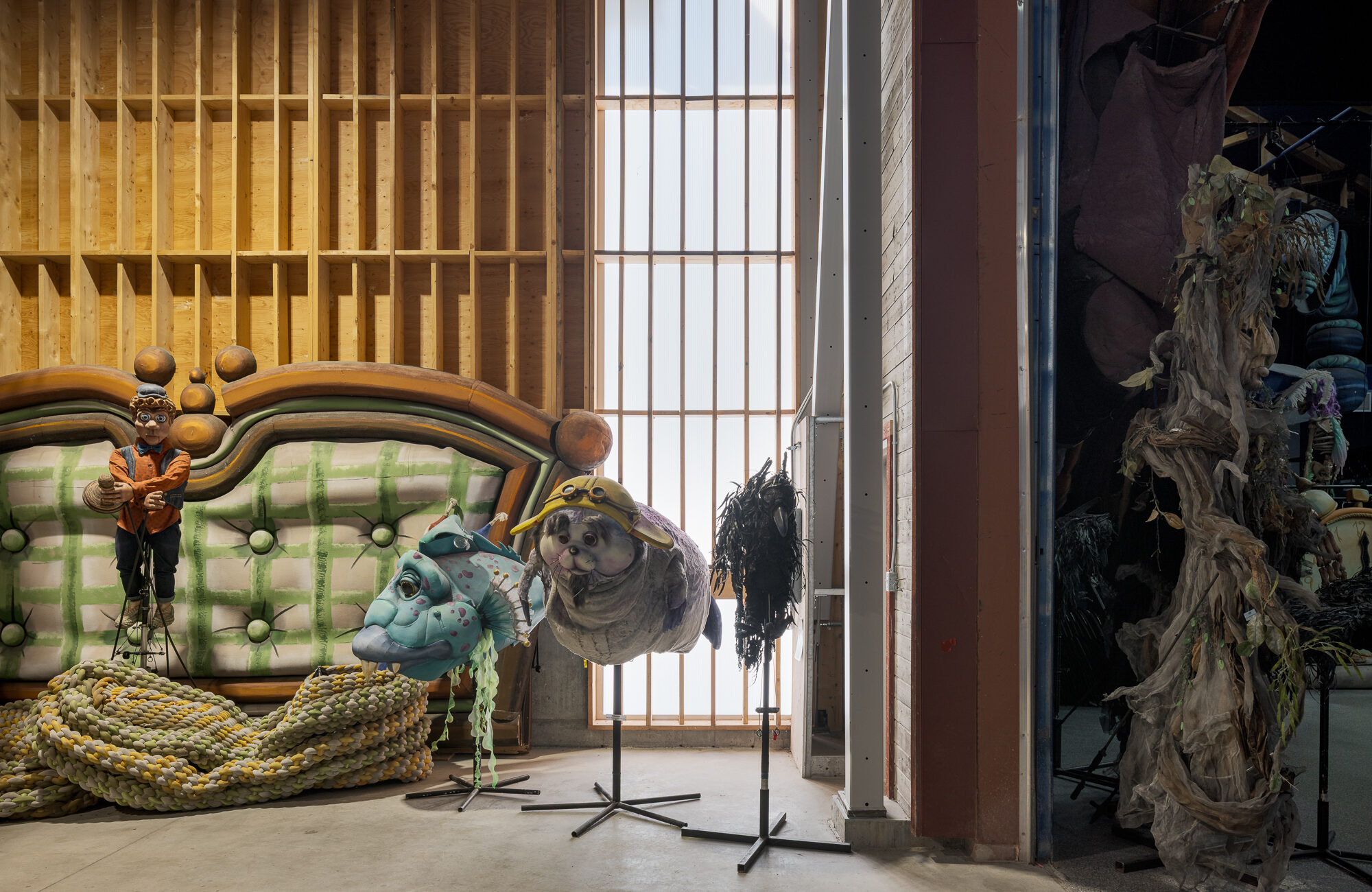
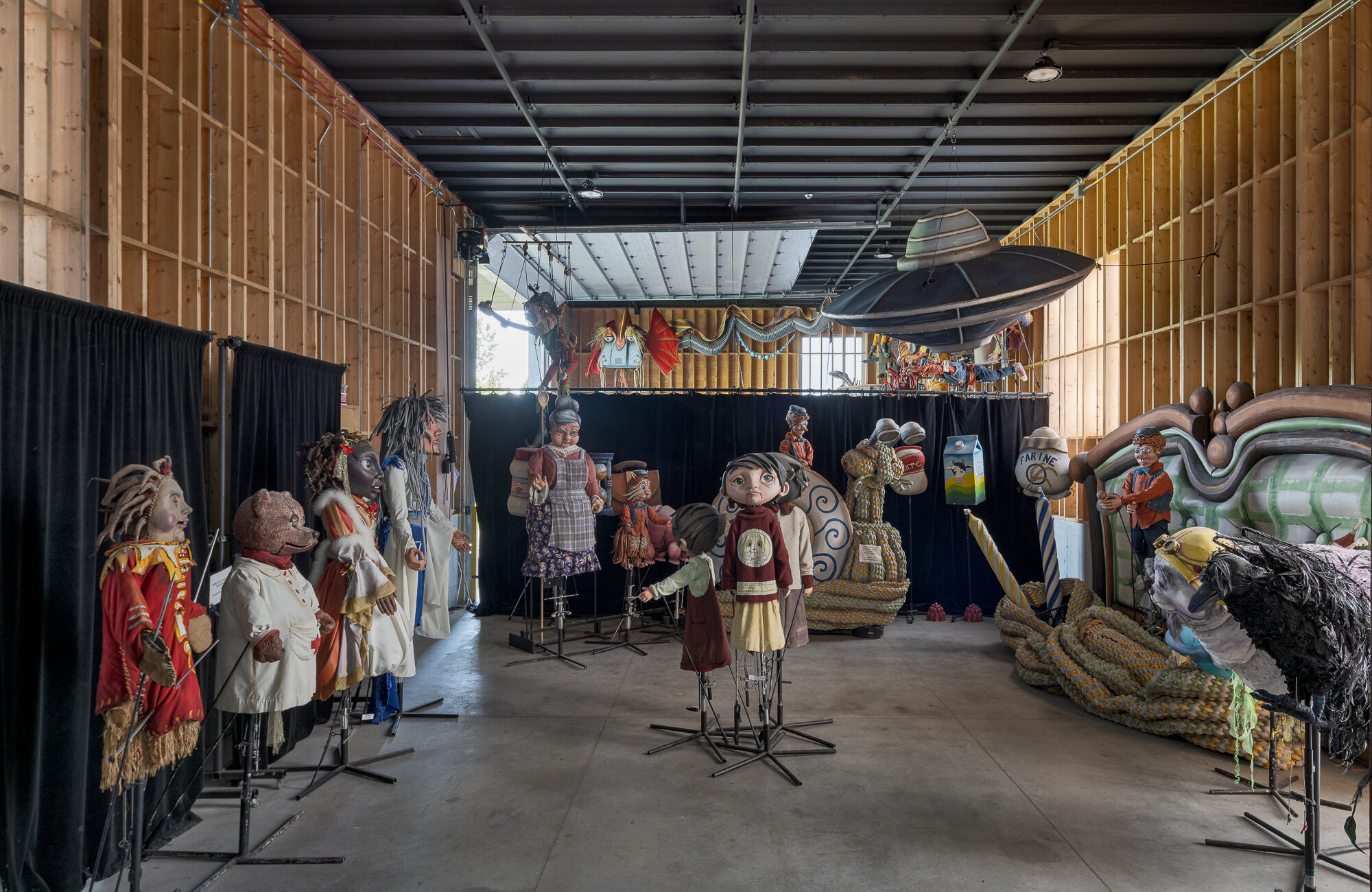
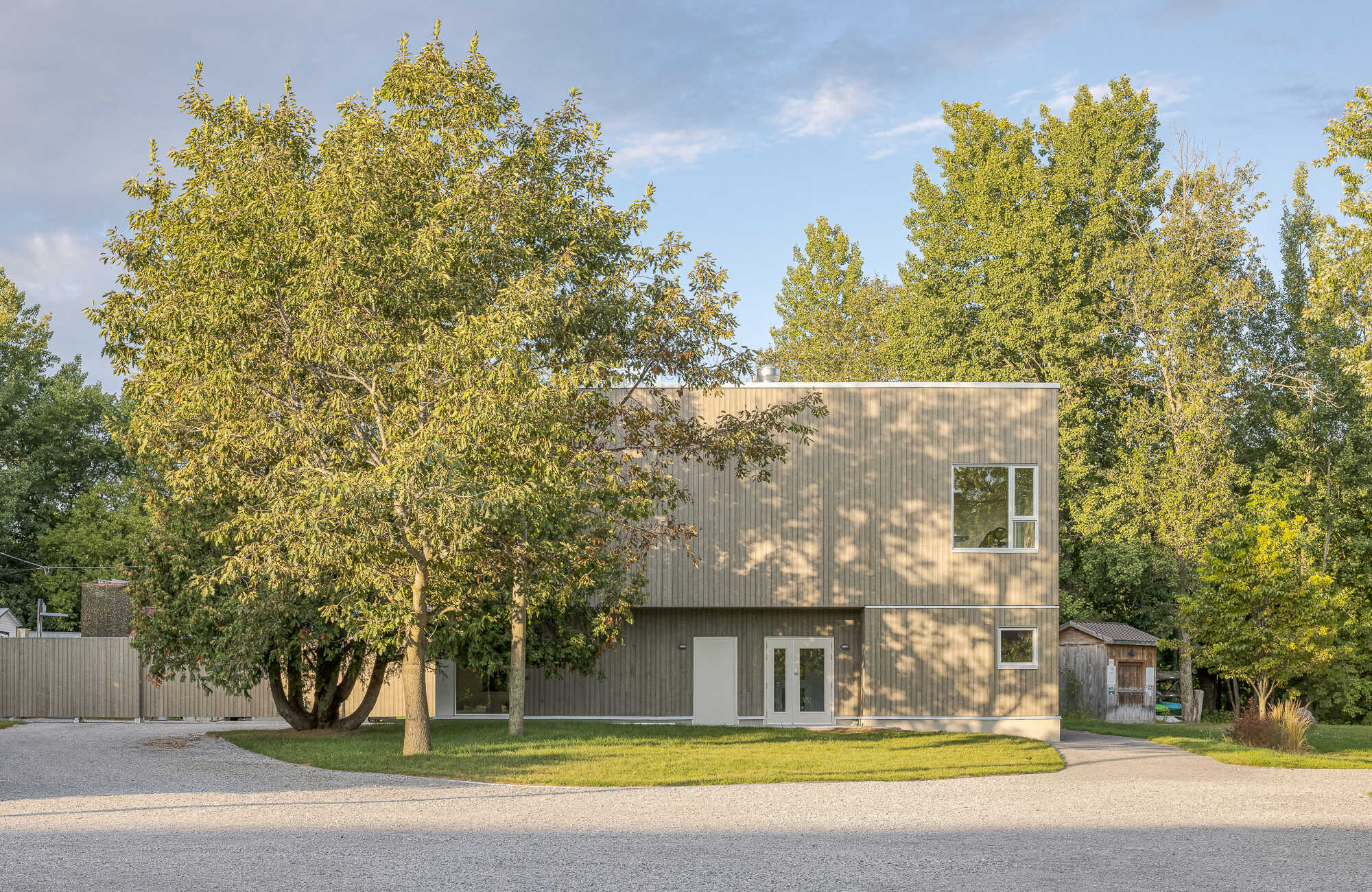
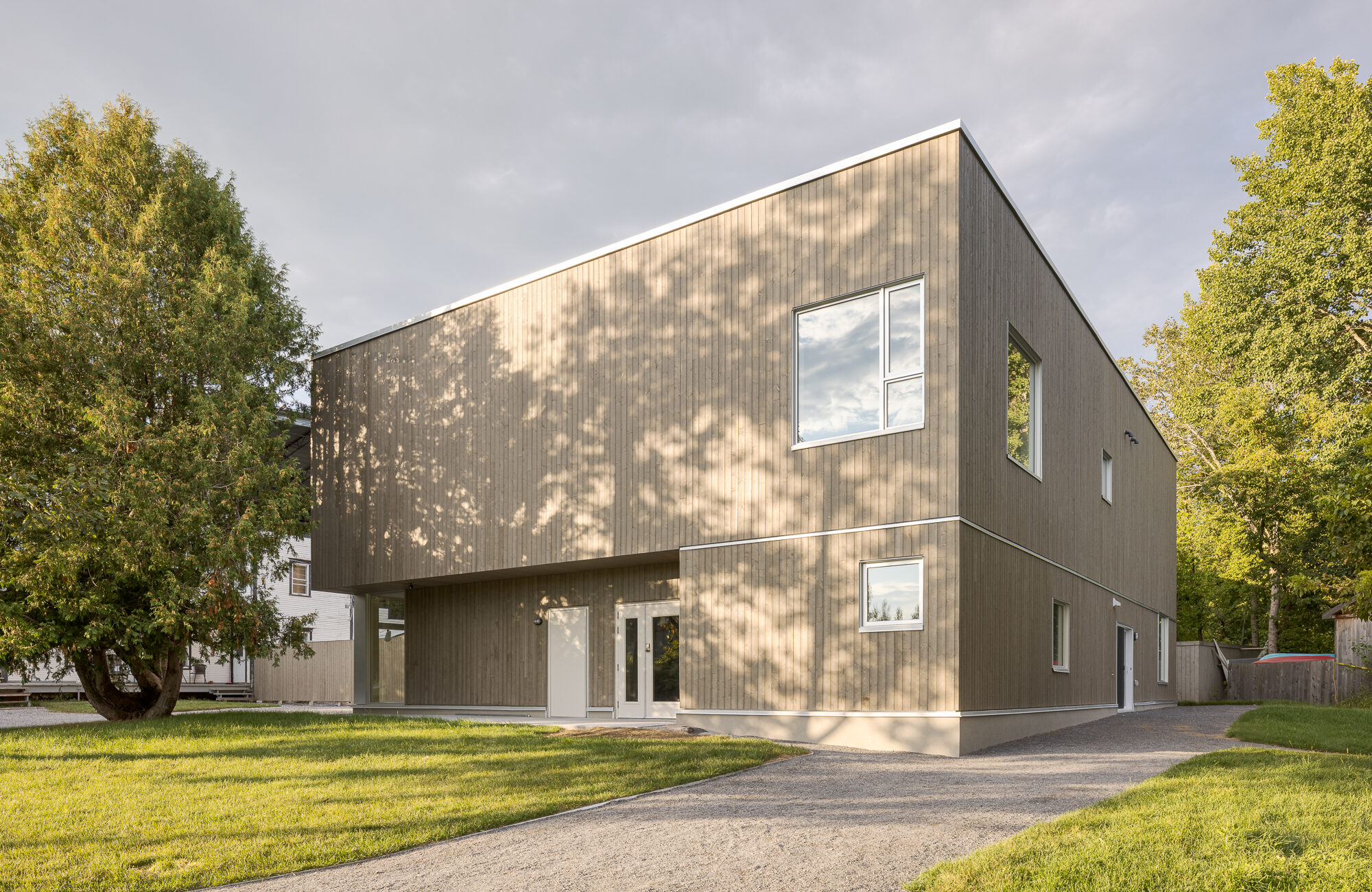
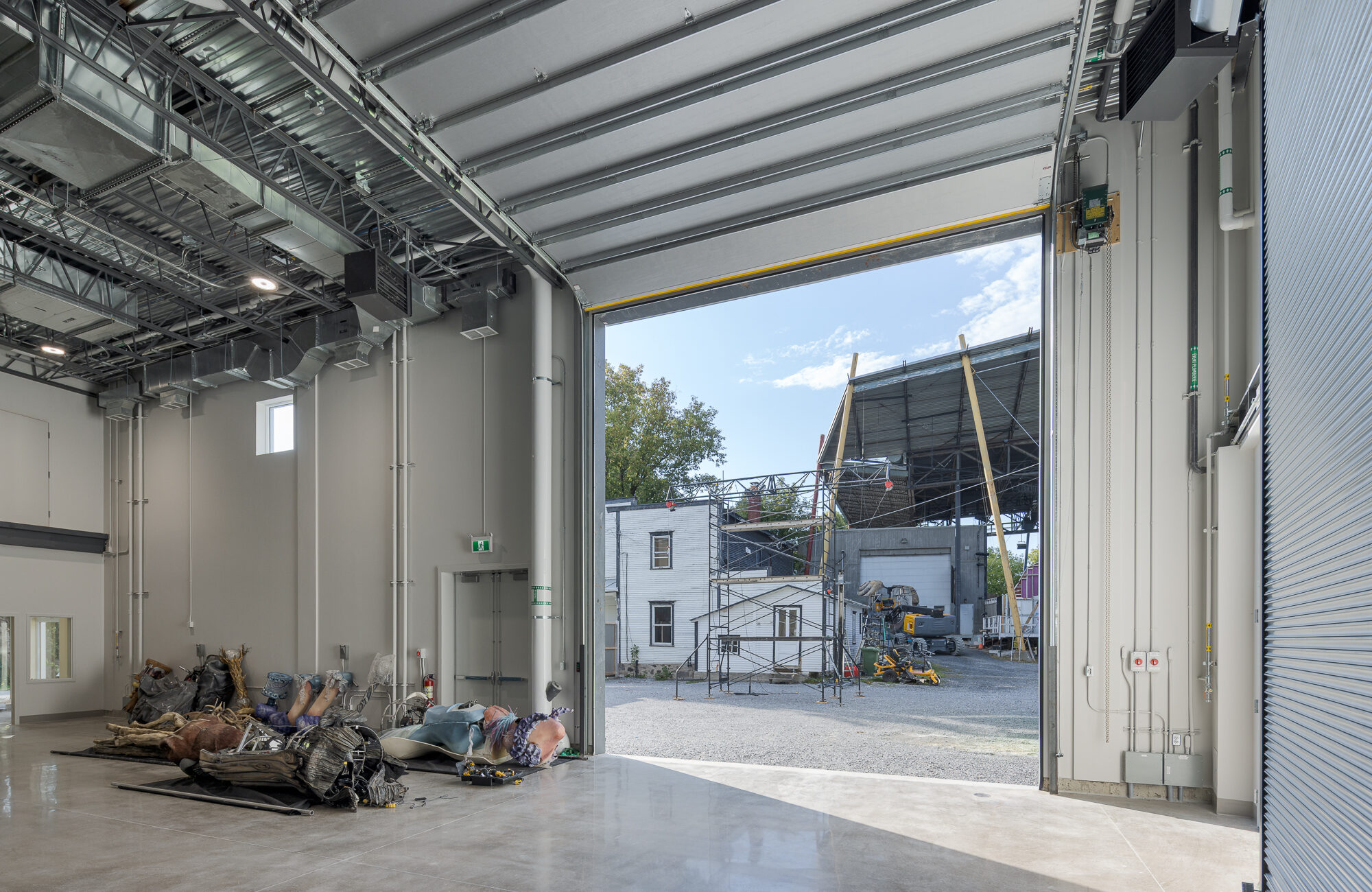
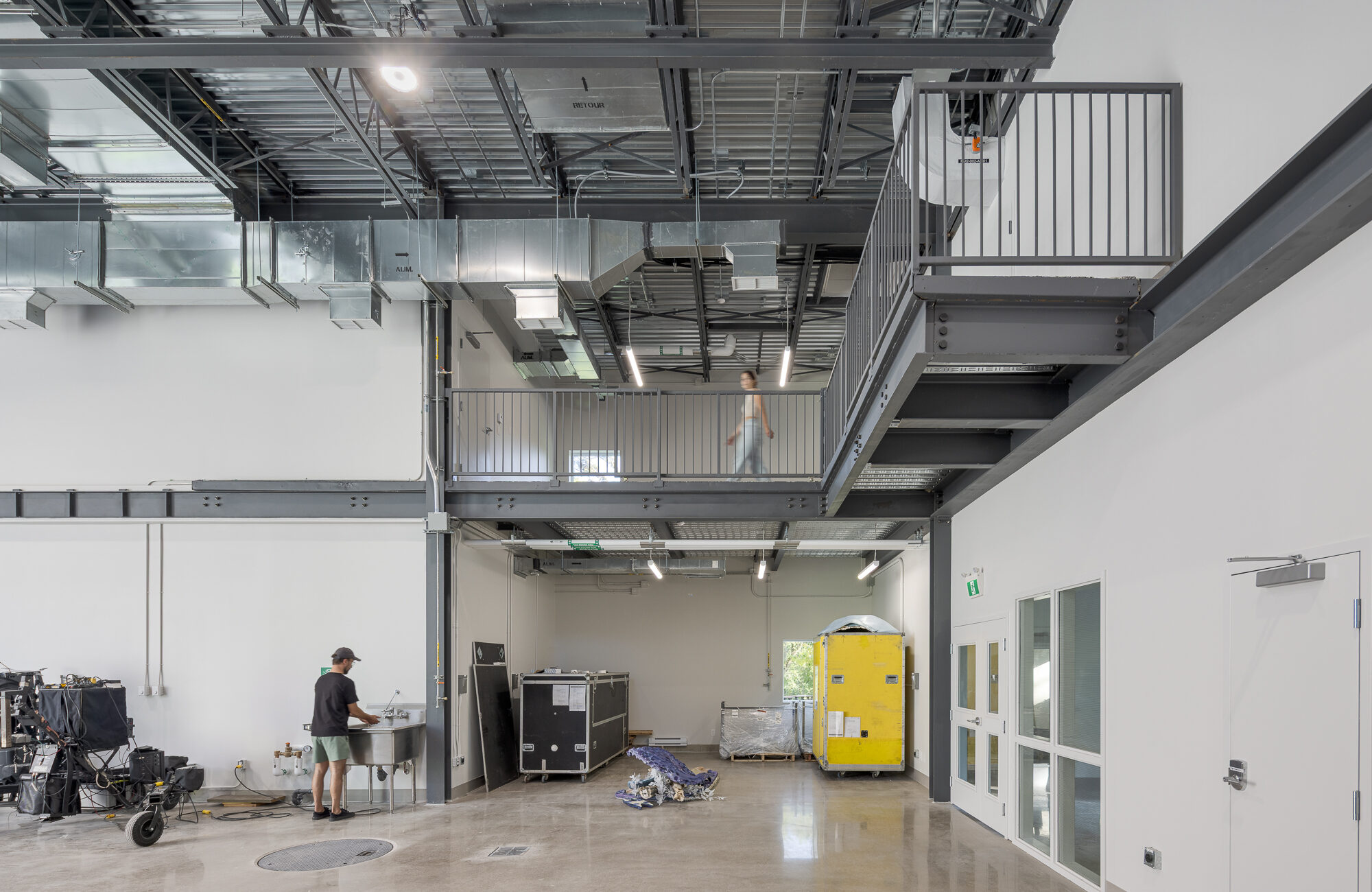
The new infrastructures—including artist residences, the expansion of the Centre d’interprétation des Marionnettes Baroques Alphonse-Desjardins (CIMBAD), and the extension of the production workshop—respond to the organization’s growing functional needs while reinforcing the architectural coherence of the site. These interventions draw inspiration from the large agricultural domains historically associated with production and transformation. The new functions are grouped within large-scale buildings evocative of agricultural typologies, minimizing the impact of interventions while maintaining a scale consistent with the site’s rural architectural heritage.
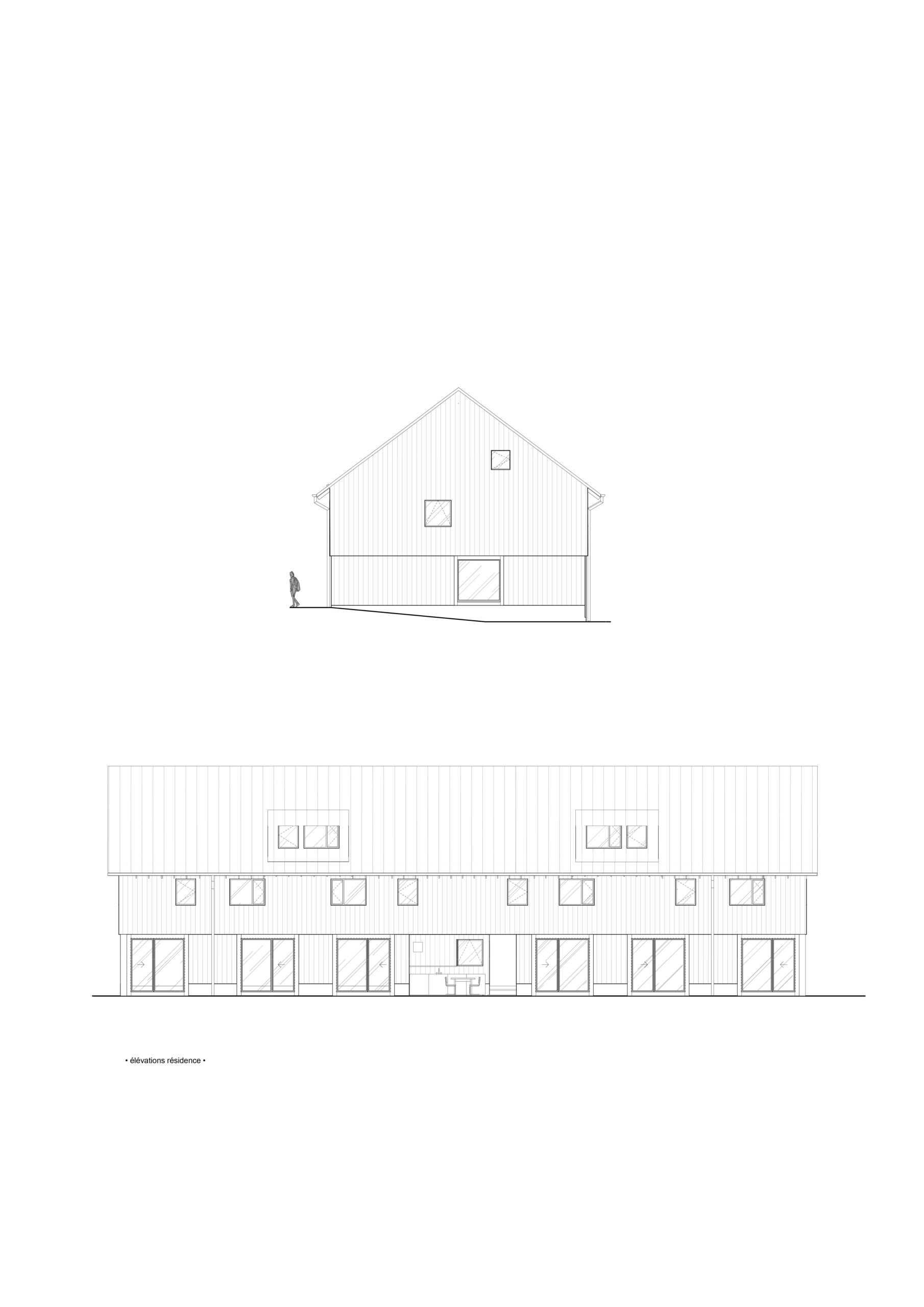
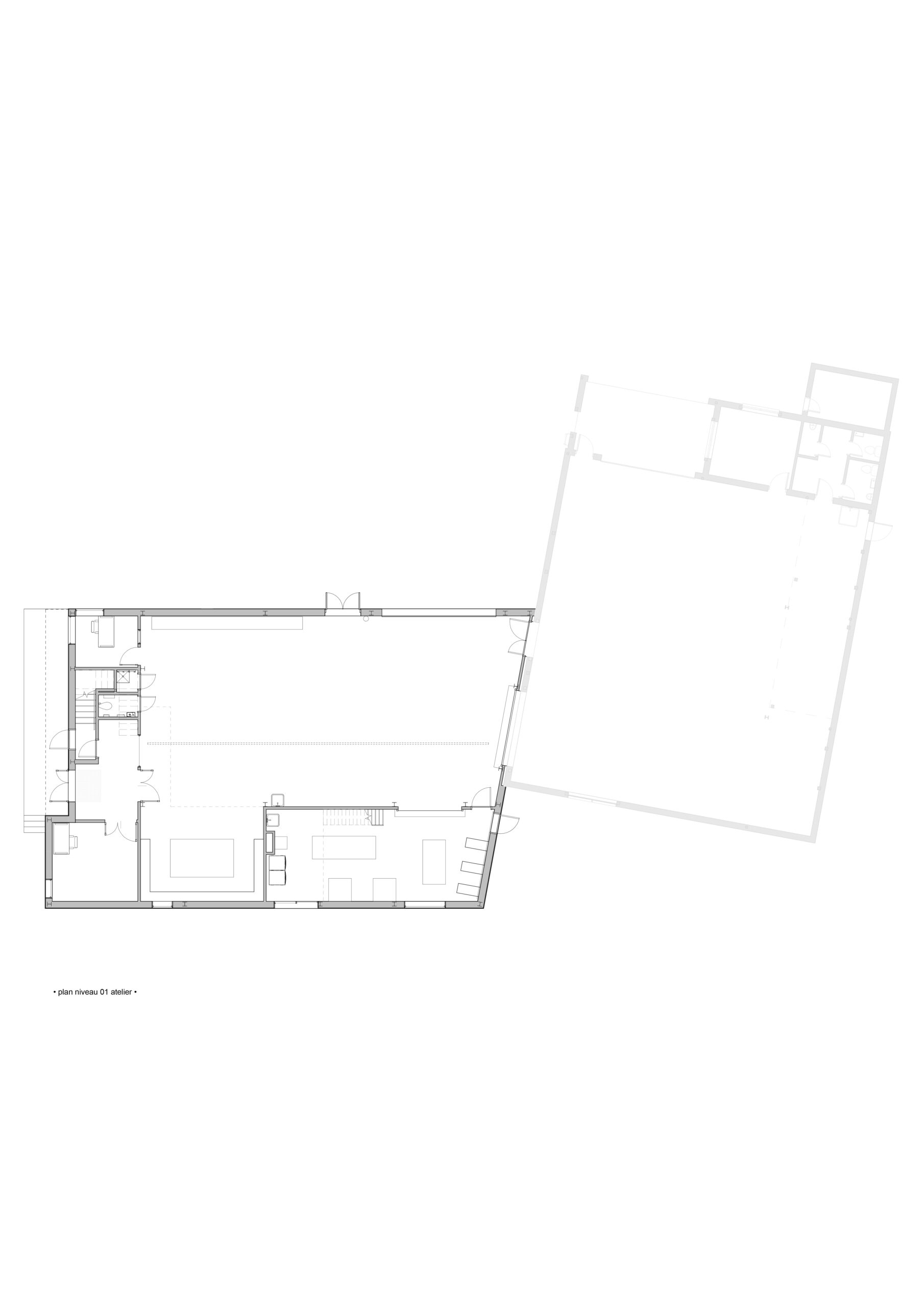
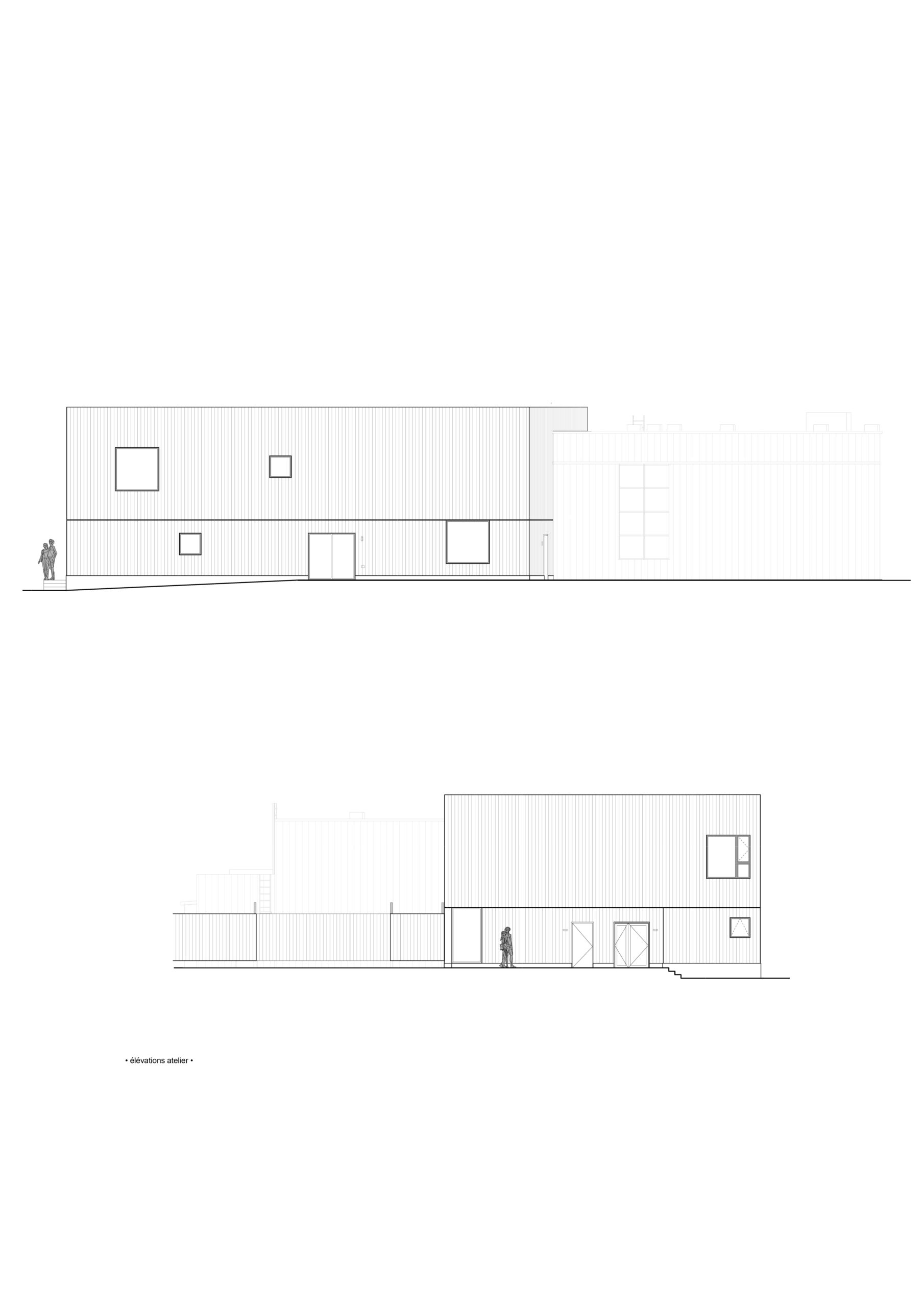
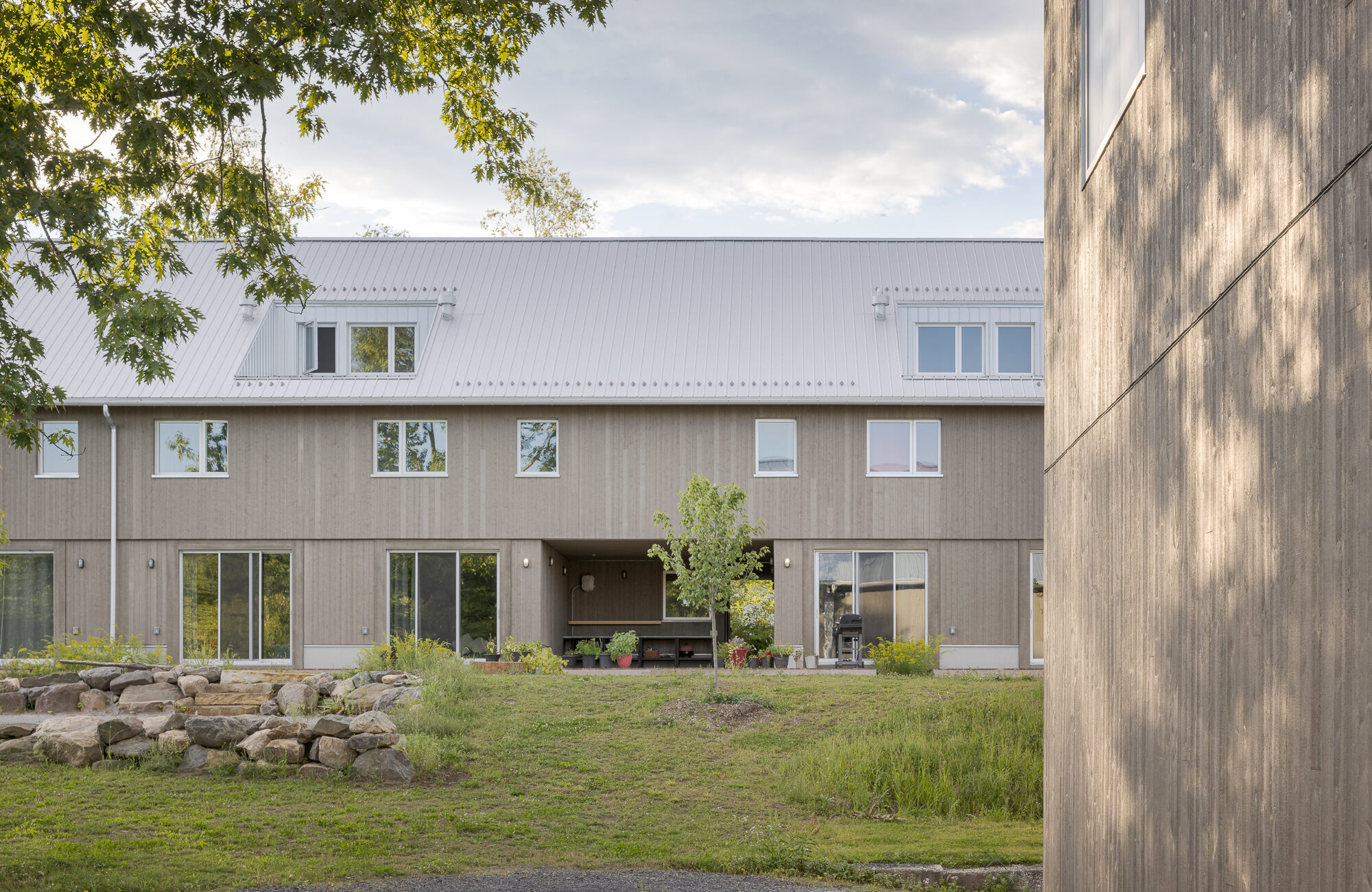
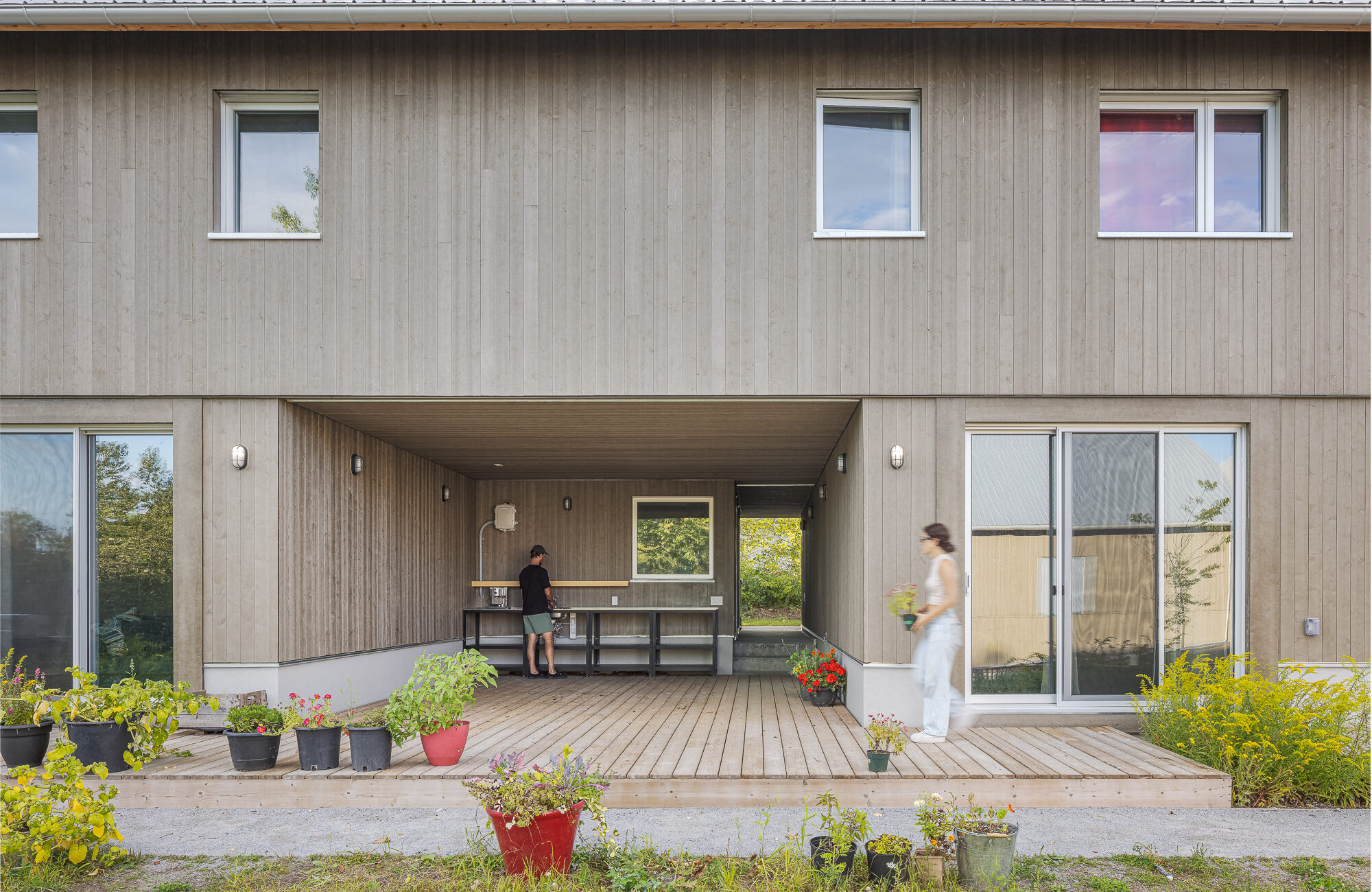
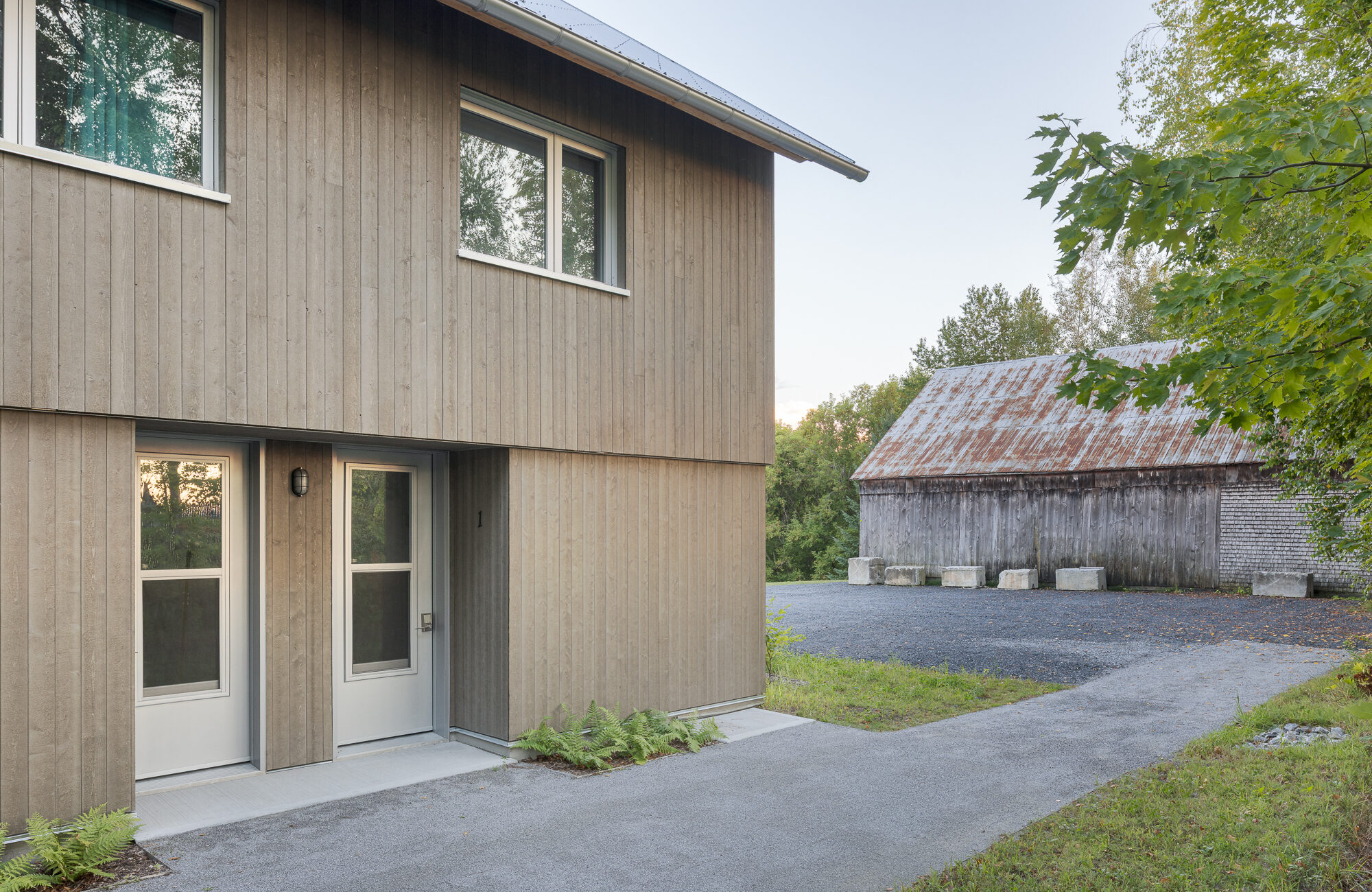
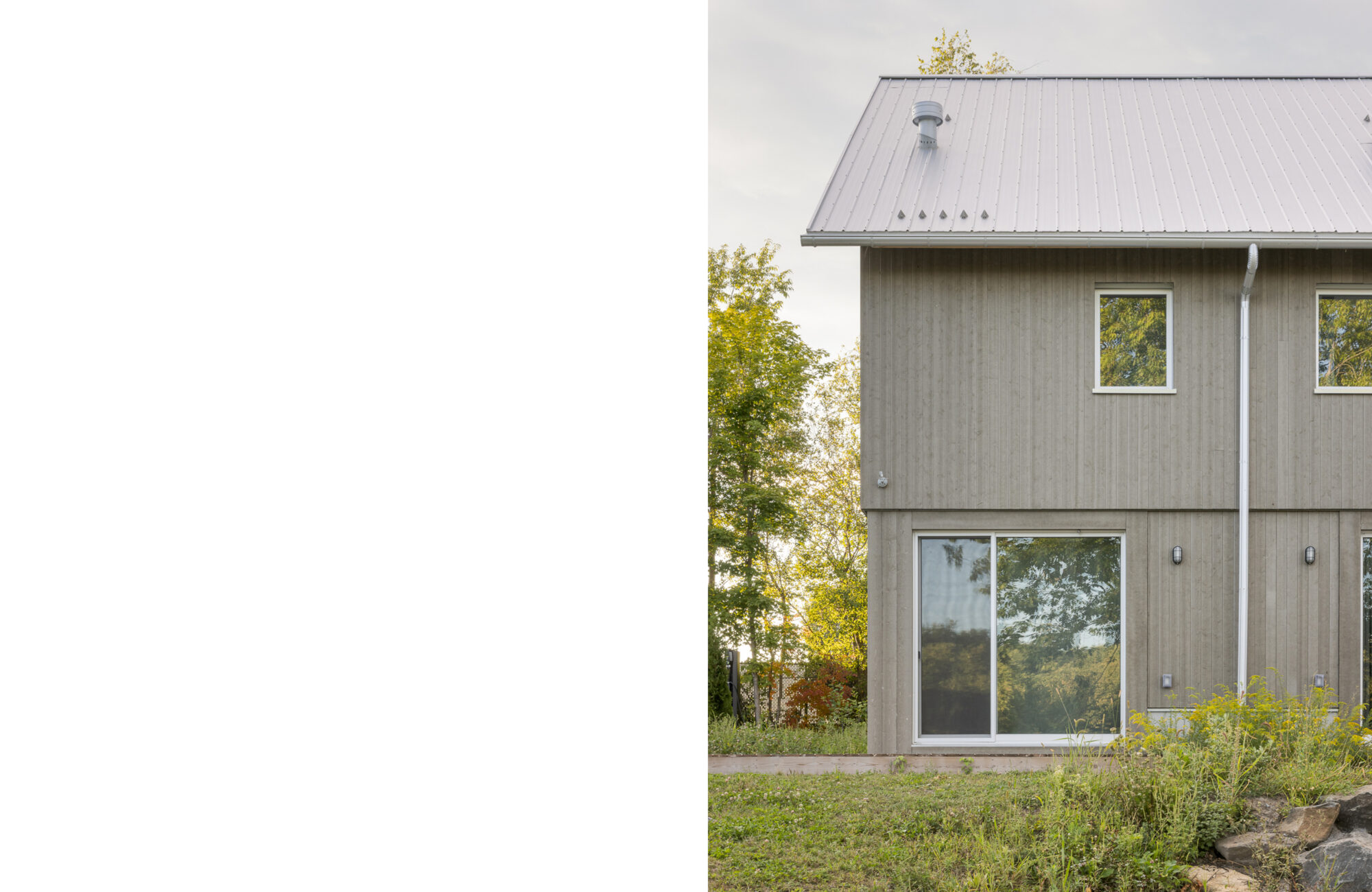
The project is organized into distinct sectors, consolidated according to their function: the administrative and public reception sector; the production sector (including the workshop extension); the restaurant sector (Old Mill); and the interpretation, residency, and storage sector (including the new residences and the CIMBAD expansion). The production sector is composed of flat-roofed constructions in continuity with the Miller’s House, while the residency, storage, and interpretation sector consists of large gabled volumes typical of central Quebec agricultural complexes, in dialogue with the CIMBAD and the Old Mill. The overall intervention is unified through material treatment: traditional buildings feature opaque white-painted horizontal wood cladding with green-trimmed details typical of the period, while contemporary additions are clad in vertically installed natural cedar.
Production sector
The front volume of the workshop extension aligns with the Miller’s House, reinforcing the built edge. A discreet vehicular access is inserted between the two buildings, controlling entry to the production area at the rear.
Residences / storage / interpretation sector
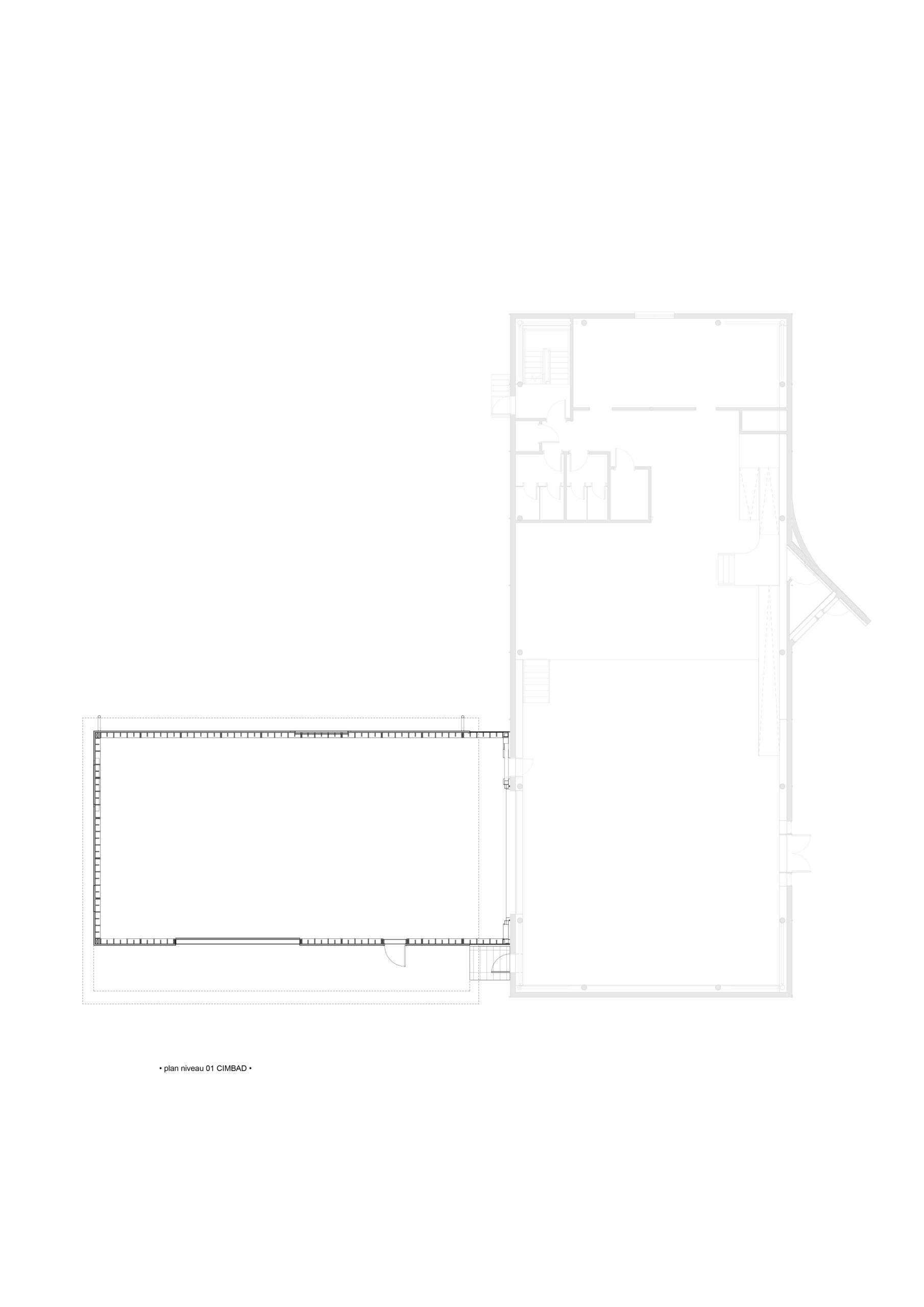
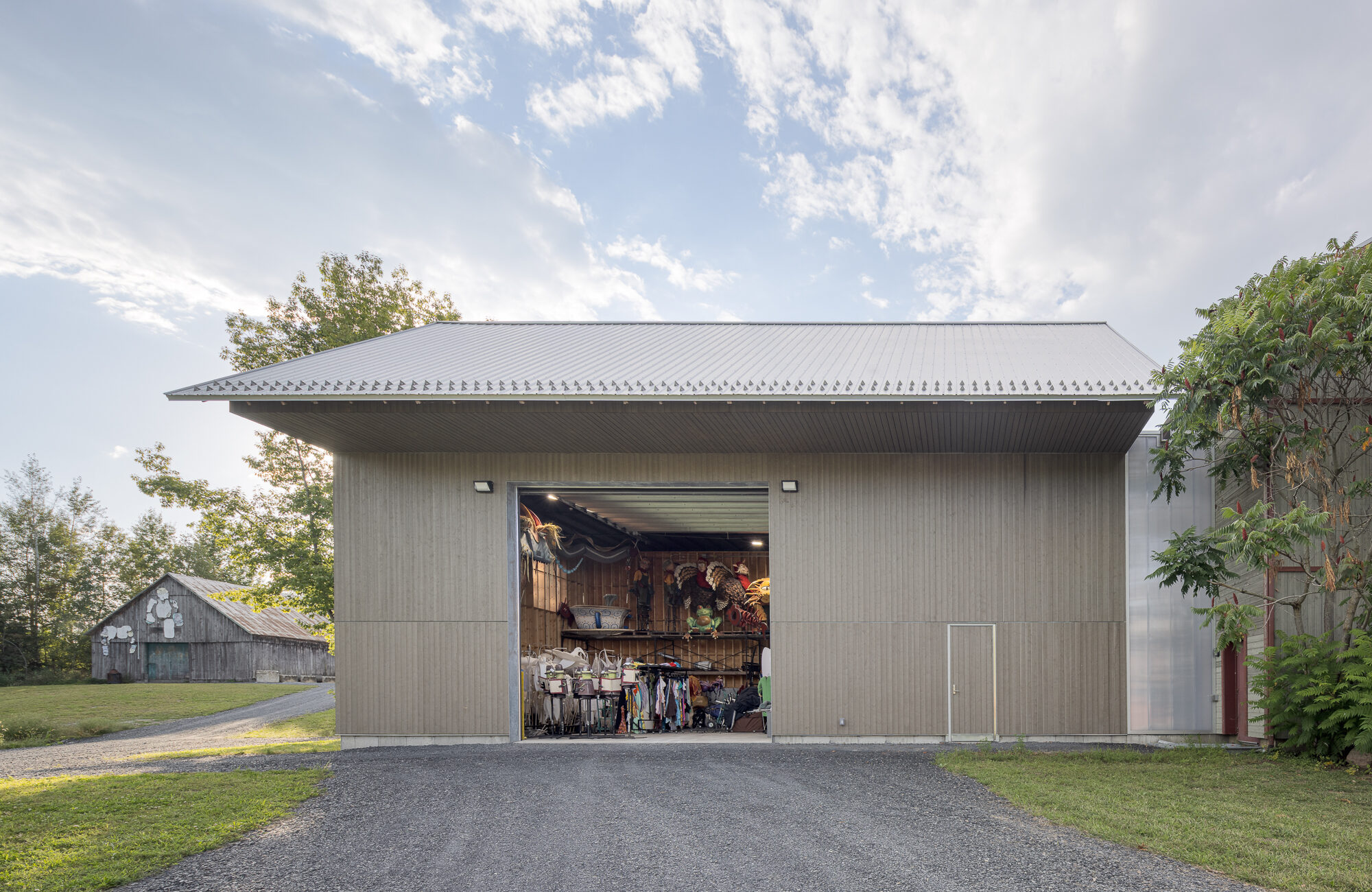
The CIMBAD extension is located at the rear of the existing building and establishes a dialogue with the new artist residences. Together, they form a private inner courtyard, recalling traditional agricultural compounds. The placement of the storage extension defines a private zone, set apart from the publicly accessible areas of the site and reserved for artists in residence. This intervention also requalifies access to the CIMBAD basement, which had previously been underutilized.
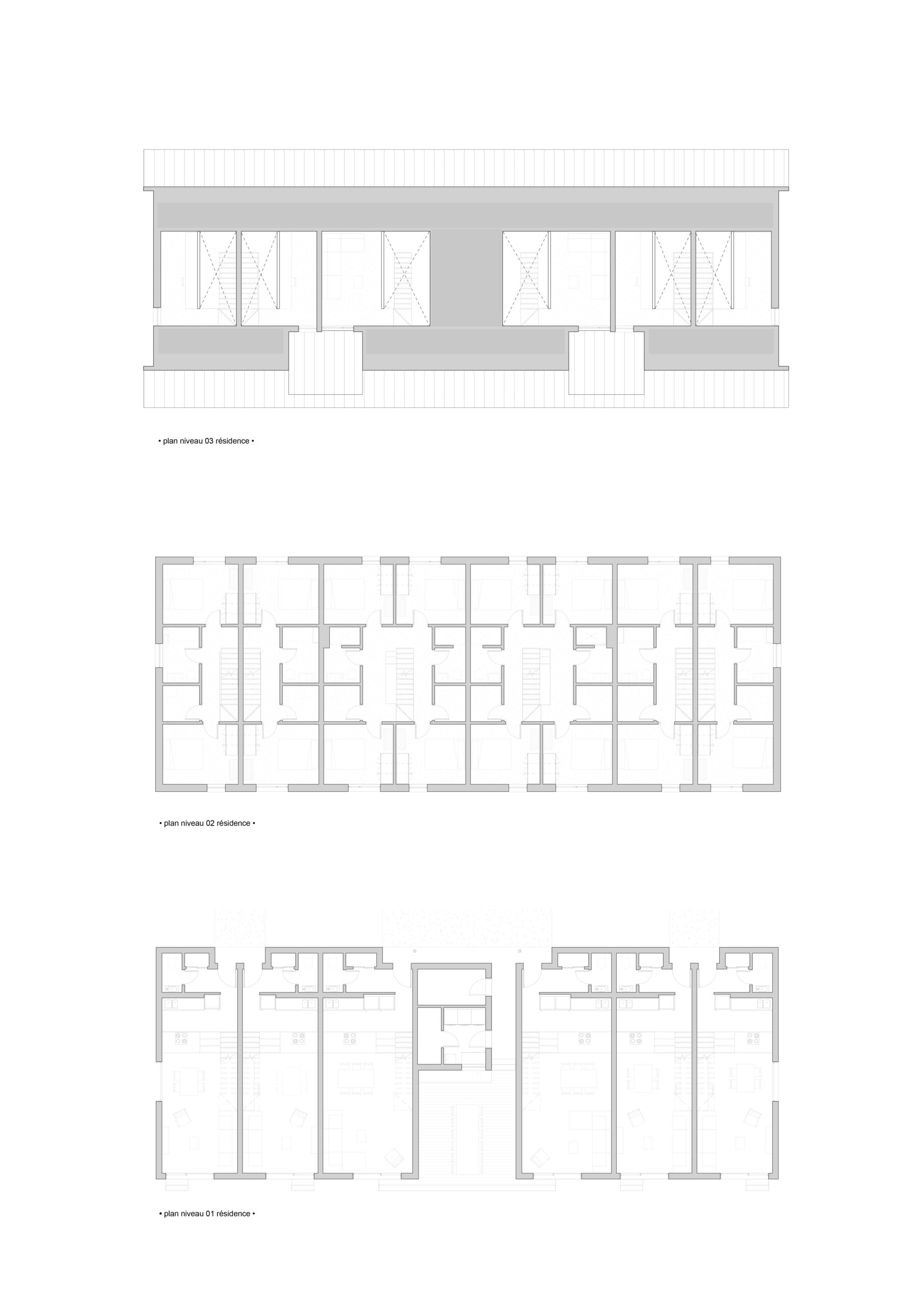
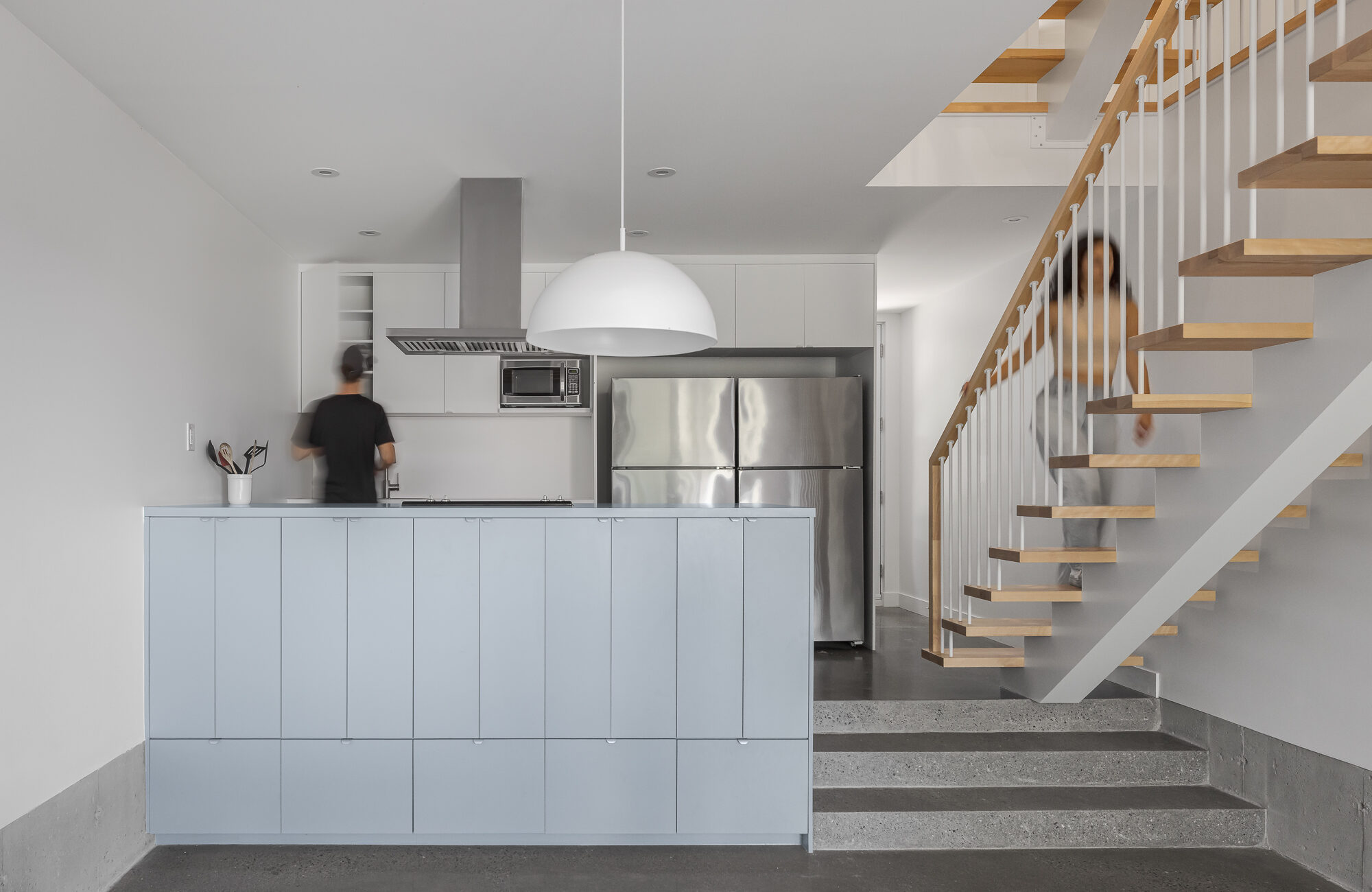
The volumes of the residences and storage buildings adopt the language of large farm structures with pitched roofs, echoing the site’s rural heritage. The apartments, distributed over two levels, open generously onto the central courtyard facing the river, while their entrances, discreetly located at the rear within a wooded area, preserve the privacy and tranquility of the occupants.